


Introduction
Education is not limited to textbooks, examinations, and classroom discussions. A complete learning experience also helps students develop healthy habits, emotional resilience, social awareness, and the confidence to face everyday challenges. In today’s technology-driven world, where many children spend long hours sitting in classrooms or using digital devices, regular movement has become an important part of a balanced lifestyle. Schools can help address this challenge by creating opportunities for students to participate in structured exercise, recreational games, sports, and other enjoyable physical activities.
Physical education plays an important role in supporting students’ overall development. It introduces young learners to exercise, movement skills, sportsmanship, and the value of maintaining an active lifestyle. Beyond improving strength and stamina, well-designed school programs can encourage cooperation, discipline, self-confidence, and respect for others. These lessons are useful both inside and outside school, helping children understand that health is a long-term responsibility rather than something to consider only when problems arise.
The approach to school fitness is also evolving. Modern educational institutions increasingly recognize the importance of student well-being, inclusive participation, and age-appropriate activities. Technology, changing lifestyles, and growing awareness of mental health have influenced how educators think about movement and exercise. By combining traditional sports with creative activities and practical health education, schools can make physical development an engaging and meaningful part of everyday learning.
Understanding the Importance of Physical Education
Physical education is a structured learning experience designed to help students develop movement abilities, physical fitness, health awareness, and positive attitudes toward activity. It may include athletics, team sports, individual exercises, dance, yoga, fitness circuits, and recreational games. Unlike unstructured play alone, these lessons generally follow educational objectives that help students improve specific abilities while understanding the principles of safe and responsible participation.
An effective program recognizes that students have different interests, fitness levels, physical abilities, and learning needs. Some children enjoy competitive games, while others feel more comfortable with individual exercises, rhythmic movement, or noncompetitive activities. Teachers can provide a variety of options so that every learner has an opportunity to participate and progress. The purpose is not simply to identify the fastest runner or strongest player; it is to help students build skills, discover enjoyable activities, and develop confidence in their own abilities.
Major Benefits for Physical Health
Developing Strength, Endurance, and Coordination
Regular movement helps children develop muscular strength, cardiovascular endurance, balance, flexibility, and coordination. Activities such as running, jumping, throwing, catching, and changing direction challenge the body in different ways. Over time, consistent participation can help students perform everyday movements more comfortably and improve their ability to take part in games, outdoor recreation, and other active pursuits.
Structured lessons also give students an opportunity to learn how exercise works. A teacher may explain the purpose of warming up, demonstrate safe landing techniques, or show students how to increase activity gradually. These practical lessons can reduce avoidable mistakes and help young people understand the relationship between preparation, effort, recovery, and performance. When students learn to recognize their own limits, they are better equipped to exercise responsibly.
Supporting Healthy Habits in a Digital World
Digital devices have become a normal part of education, entertainment, and communication. Although technology provides many benefits, extended periods of sitting can reduce opportunities for movement. School-based activity can help balance sedentary routines by encouraging students to move regularly and participate in experiences that do not depend on screens.
Teachers and families can reinforce these habits by making activity enjoyable rather than treating exercise as punishment. Walking, cycling, playing badminton, dancing, swimming, and participating in outdoor games can all contribute to an active routine when appropriate for an individual’s age, abilities, and circumstances. Consistency matters more than making every session intense. Students who discover activities they genuinely enjoy may be more likely to continue them as they grow older.
How Movement Supports Mental and Emotional Well-Being
Physical activity can contribute to emotional well-being by providing opportunities to release tension, experience enjoyment, and take a break from demanding academic tasks. Students may return to lessons feeling refreshed after suitable movement breaks. Exercise can also support sleep quality and general well-being, although individual experiences differ and physical activity should not be presented as a replacement for professional mental health support when it is needed.
School activities can also help students develop a healthier relationship with challenges. Learning a new skill often involves mistakes, repeated attempts, and gradual improvement. A child who initially struggles to catch a ball may become more comfortable through practice and encouragement. This experience can strengthen patience and self-belief. Teachers can support emotional development by focusing on effort, progress, and participation rather than comparing students constantly or placing excessive importance on winning.
Another important consideration is the social environment. Students are more likely to participate confidently when they feel respected and included. Activities that discourage bullying, body shaming, and unfair comparisons help create a positive atmosphere. By acknowledging different abilities and celebrating improvement, educators can make movement a constructive experience for students with varied personalities and confidence levels.
Building Teamwork, Leadership, and Social Skills
Games and group activities create practical opportunities for students to communicate, cooperate, solve problems, and manage disagreements. During a team match, players must share information, make decisions, follow agreed rules, and adapt their strategies. These experiences demonstrate that successful cooperation requires listening as well as speaking. Students also learn that individual contributions can support a shared goal.
Leadership can develop naturally when learners take turns organizing activities, explaining rules, encouraging teammates, or helping classmates practice unfamiliar skills. A student who is not confident in competitive sports may demonstrate leadership through fairness, communication, or careful planning. Giving students different responsibilities allows them to discover strengths that may not be obvious during conventional classroom assessments.
Sportsmanship is another valuable lesson. Winning can bring excitement, but losing offers an opportunity to practice emotional control and reflect on performance. Teachers can explain how to congratulate opponents, accept decisions respectfully, and resolve disagreements without hostility. These behaviors extend beyond the playing field, supporting healthier relationships at school, at home, and in future workplaces.
Modern Teaching Methods and Current Educational Trends
Today’s schools can combine established sports with flexible, student-centered teaching methods. Rather than relying exclusively on competitive matches, educators can introduce movement stations, personal fitness challenges, cooperative games, outdoor exploration, dance, and modified sports. Such variety can improve participation among students who might otherwise feel excluded by highly competitive environments.
Technology can also support learning when used thoughtfully. Fitness trackers, digital activity logs, instructional videos, and classroom presentations may help students understand movement patterns, set realistic goals, or review exercise techniques. However, devices should support rather than dominate lessons. Privacy, data accuracy, affordability, and screen time are important considerations, especially when activities involve children. Teachers should avoid making participation dependent on students owning expensive devices or sharing personal fitness information.
The following table illustrates how different activities can contribute to student development.
| Activity | Main developmental focus | Example of learning |
|---|---|---|
| Running and walking | Endurance and stamina | Managing pace and recognizing effort |
| Yoga and stretching | Flexibility and body awareness | Practicing controlled movement |
| Team games | Cooperation and communication | Sharing roles and following rules |
| Balance exercises | Coordination and stability | Improving control through practice |
| Dance and rhythmic movement | Timing and creative expression | Matching movements to rhythm |
| Fitness circuits | Strength and general fitness | Completing suitable exercises safely |
These approaches work best when lessons match students’ developmental stages and provide opportunities for gradual improvement. Teachers can adjust the duration, equipment, rules, and intensity of activities to accommodate different abilities. Regular observation and constructive feedback help educators identify whether students are learning useful skills rather than simply completing exercises.
The Role of Teachers in Creating Effective Programs
Teachers influence whether students view movement as an enjoyable learning opportunity or an uncomfortable obligation. Clear instructions, demonstrations, encouragement, and consistent safety practices help create lessons in which students understand what to do and why it matters. Educators should explain the purpose of each activity, offer achievable challenges, and provide feedback that recognizes progress without embarrassing students who need additional support.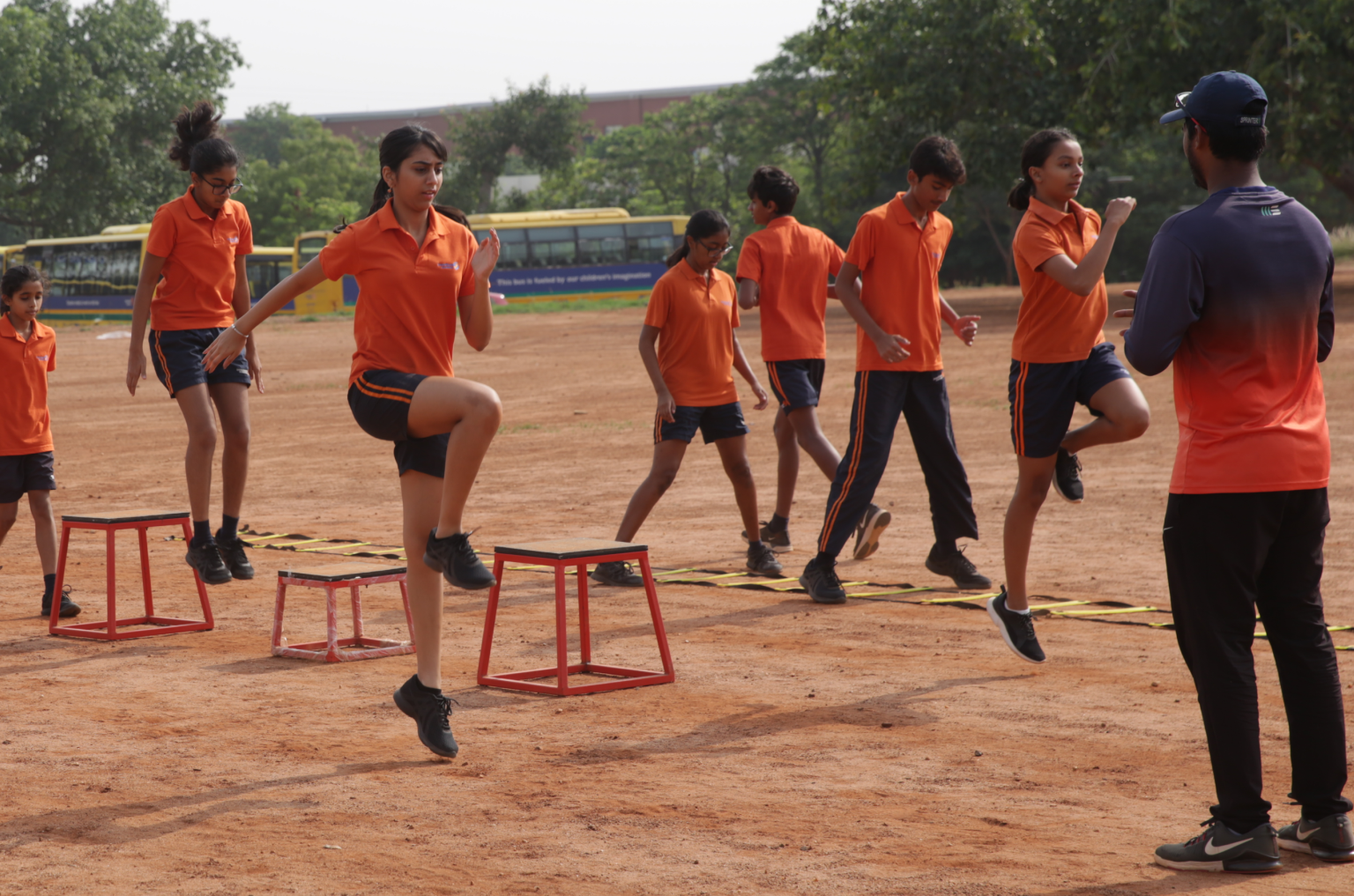
Planning is equally important. Lessons should include suitable preparation, a main activity, opportunities to practice skills, and a gradual cool-down when appropriate. Teachers need to consider the available space, weather conditions, equipment, hydration, and students’ individual needs. Activities should be modified when environmental conditions become unsafe, and students should be encouraged to report pain, dizziness, breathing difficulties, or other concerning symptoms promptly.
Assessment should focus on learning and personal development rather than athletic ability alone. Teachers can observe improvements in coordination, understanding of rules, safe movement, cooperation, and effort. Personal goal-setting and short reflections may help students recognize their achievements. This approach gives learners a clearer sense of progress while reducing unnecessary pressure associated with competitive rankings.
Challenges Schools Must Address
Despite its benefits, delivering effective activity programs can be difficult. Some schools have limited playground space, insufficient equipment, crowded schedules, or inadequate facilities. Weather conditions may also restrict outdoor activities, particularly in regions that experience extreme heat, heavy rainfall, or poor air quality. These limitations can make it harder to provide consistent opportunities for movement throughout the academic year.
Schools can respond by using available indoor spaces, organizing smaller activity groups, introducing equipment-free exercises, and integrating brief movement breaks into the school day. Local circumstances should guide planning. For example, during very hot weather, schools may schedule outdoor sessions during cooler periods, provide access to drinking water, reduce strenuous activity when necessary, and move lessons indoors when conditions are unsafe.
Inclusion remains another major consideration. Students with disabilities, chronic limitations, different levels of confidence, or limited previous experience may require alternative activities or additional support. Teachers can adapt equipment, simplify rules, offer seated exercises, or provide different ways to demonstrate a skill. The objective is meaningful participation and personal progress, not forcing every student to perform an identical movement.
Practical Ways Students Can Stay Active
Developing an active lifestyle does not require expensive equipment, a professional sports facility, or exceptional athletic talent. Students can begin with manageable activities that fit their schedules and gradually build a consistent routine. Families and schools can work together to create opportunities for movement while considering personal preferences, accessibility, safety, and the demands of academic life.
Helpful habits include:
- Choose enjoyable activities such as walking, dancing, cycling, swimming, or playing a favorite sport.
- Break up long periods of sitting with short movement opportunities when practical.
- Set realistic goals and increase activity gradually instead of attempting sudden, demanding routines.
- Include suitable warm-ups, hydration, recovery, and attention to personal comfort.
- Celebrate consistency and improvement rather than comparing performance with classmates.
Students should also understand that rest is part of a healthy routine. Sleep, balanced nutrition, hydration, and recovery all contribute to general well-being. A suitable activity plan should reflect age, individual health needs, and professional guidance when required. Children who experience pain or other unusual symptoms during exercise should inform a responsible adult rather than continuing simply to finish an activity.
The Long-Term Value of Active Learning
The lessons students gain through movement can influence their choices well beyond their school years. Someone who learns to set realistic goals, practice patiently, cooperate with others, and respond constructively to setbacks can apply those skills to education, employment, and personal relationships. Familiarity with different activities also gives young people more options for staying active as their circumstances and interests change.
Schools have an opportunity to make these benefits accessible by treating movement as an essential element of student development. A successful program does not need to produce professional athletes or encourage every child to compete. Instead, it should help learners understand their bodies, respect individual differences, recognize the value of regular activity, and make informed decisions about their well-being.
Conclusion
Physical education supports a broader understanding of education by connecting physical health with emotional development, social skills, confidence, and lifelong learning. Through structured activities and thoughtful instruction, students can improve coordination, build fitness, practice teamwork, and discover ways to remain active that suit their interests and abilities. These benefits are especially relevant in a modern environment where academic demands and digital entertainment can leave young people with fewer natural opportunities to move.
The future of school fitness depends on programs that are safe, inclusive, adaptable, and engaging. Teachers, families, and educational institutions can contribute by offering varied activities, recognizing individual progress, and making movement a regular part of school life. When students experience physical activity as a positive and achievable habit, they gain more than athletic skills: they develop practical tools for maintaining well-being and approaching everyday challenges with greater confidence.