


Introduction
Physical activity plays an important role in maintaining a healthy lifestyle, especially in a world where technology, digital entertainment, and sedentary habits are becoming increasingly common. Children and young adults spend a considerable amount of time sitting in classrooms, using smartphones, playing video games, or working on computers. Although technology has made education and communication easier, reduced movement can negatively affect physical fitness, concentration, and overall well-being. This is why schools, colleges, parents, and educational institutions are giving greater attention to fitness, sports, and active learning.
Physical education is an important part of a balanced education system because it encourages students to understand their bodies, develop healthy habits, and participate in regular physical activities. It is not limited to playing games or participating in sports competitions. It also includes learning about fitness, nutrition, coordination, discipline, teamwork, and emotional well-being. Through structured activities and practical experiences, students develop abilities that support their personal, academic, and social development.
In the modern educational environment, the importance of an active lifestyle has become even greater. Schools are exploring new ways to combine traditional sports with fitness exercises, yoga, recreational activities, and technology-supported learning. These approaches help students understand that staying active is not simply a school requirement but a lifelong responsibility.
Understanding the Meaning and Scope of Physical Education
Physical education refers to an organized learning process that uses physical activities to improve an individual’s physical, mental, emotional, and social development. It provides opportunities for students to participate in different forms of movement while learning important concepts related to health and fitness. Activities may include running, jumping, swimming, athletics, football, basketball, volleyball, yoga, gymnastics, and other recreational exercises.
The subject has a much broader purpose than improving physical strength. It teaches students how to maintain their health, follow safety practices, respect others, and make responsible decisions. For example, when students participate in a team sport, they learn how to communicate, cooperate, follow rules, and handle both success and failure. These experiences help develop practical life skills that are useful beyond the classroom.
The scope also includes theoretical knowledge about the human body, exercise principles, nutrition, injury prevention, and healthy lifestyle choices. Students gradually understand how regular movement supports heart health, muscular strength, flexibility, and endurance. This combination of practical participation and theoretical understanding makes the subject an essential part of comprehensive education.
Why Physical Education Is Important in Modern Schools
Schools are responsible for supporting the overall development of students rather than concentrating exclusively on academic performance. While mathematics, science, languages, and other subjects develop intellectual abilities, physical activities contribute to fitness, confidence, and emotional stability. A balanced school environment should provide opportunities for students to develop both their minds and bodies.
One major reason for including regular exercise in school schedules is the growing problem of sedentary behaviour among young people. Long periods of sitting can reduce opportunities for movement and contribute to unhealthy lifestyle patterns. Organized activity periods encourage students to take breaks from classroom routines and participate in exercises that support their physical development.
Another important advantage is the development of concentration and classroom engagement. Physical activity can help students feel refreshed and prepared for learning. For instance, a short movement session or an outdoor game can provide a positive break after extended periods of studying. Students who develop consistent activity habits may also become more aware of the relationship between exercise, sleep, energy, and daily productivity.
Schools can make these opportunities more effective by offering different activities instead of focusing exclusively on competitive sports. Some students enjoy football or cricket, while others prefer yoga, dancing, walking, swimming, or individual fitness exercises. Providing variety helps create an inclusive environment where students with different interests and abilities can participate.
Major Benefits of Physical Education for Students
1. Improves Physical Fitness and Strength
Regular physical activity supports the development of muscular strength, cardiovascular endurance, flexibility, balance, and coordination. These abilities help students perform everyday activities more comfortably and maintain better physical fitness as they grow older.
Different exercises provide different benefits. Running and cycling improve cardiovascular endurance, while strength-based activities support muscle development. Stretching and yoga improve flexibility, and activities such as badminton and basketball develop coordination and agility. Participating in a variety of exercises helps students develop a balanced fitness routine.
2. Supports Mental Health and Emotional Well-Being
Mental well-being is an important part of student development. Academic pressure, examinations, social expectations, and personal challenges can sometimes create stress among young people. Regular exercise offers a healthy way to manage everyday stress and improve mood.
Physical activities can encourage the release of chemicals in the brain associated with positive feelings and emotional regulation. Students may feel more relaxed and confident after participating in enjoyable sports or fitness sessions. Activities performed in groups also create opportunities to interact with classmates and develop supportive friendships.
Physical activity is not a replacement for professional mental health support when needed. However, it can be a valuable part of a healthy routine that supports emotional well-being.
3. Develops Teamwork and Leadership Skills
Team sports provide practical lessons about cooperation, communication, and responsibility. Students learn that individual performance is important, but achieving a shared objective often requires collective effort. A football team, for example, depends on coordination between defenders, midfielders, and attackers.
Leadership skills also develop when students take responsibility for organizing teams, encouraging classmates, or making decisions during games. These experiences teach them to communicate clearly, respect different opinions, and support others during challenging situations.
Such abilities are useful in academic projects, professional environments, and personal relationships. Learning to work with different people at an early age can help students become more responsible and confident individuals.
4. Encourages Discipline and Self-Confidence
Sports and fitness activities require regular practice, patience, and commitment. Students gradually learn that improvement takes time and that consistent effort is often more valuable than immediate results. Following game rules, arriving on time, and respecting coaches or instructors also encourage discipline.
Confidence develops when students achieve personal goals, learn new skills, or overcome difficulties. A student who initially struggles with running or playing a sport may gradually improve through practice. This progress creates a sense of accomplishment and encourages a positive attitude toward future challenges.
Different Types of Activities Included in Physical Education
A well-designed school programme should include a variety of activities that address different fitness needs and student interests. Depending on available facilities, age groups, and institutional requirements, these activities can range from simple exercises to organized competitions.
Common activities include:
-
Team sports: Football, cricket, basketball, volleyball, and hockey.
-
Individual sports: Athletics, badminton, swimming, and table tennis.
-
Fitness exercises: Running, stretching, strength training, and endurance activities.
-
Mind-body activities: Yoga, meditation, and breathing exercises.
These activities should be selected according to students’ physical abilities, interests, and developmental stages. Younger children generally benefit from playful movement activities that improve basic motor skills, while older students can gradually participate in more structured fitness programmes.
Role of Physical Education in Developing Healthy Lifestyle Habits
Developing healthy habits during childhood and adolescence can influence lifestyle choices throughout adulthood. Students who regularly participate in sports and exercise are more likely to understand the value of movement, balanced nutrition, sufficient sleep, and personal fitness.
A healthy lifestyle involves more than spending time in a playground. It includes making informed decisions about daily routines. For example, students should understand why drinking enough water matters during exercise, why warm-up activities are necessary, and why the body needs recovery after intense physical activity.
Teachers can introduce these concepts through practical demonstrations and classroom discussions. Students may learn how to recognize signs of fatigue, maintain proper posture, and choose activities appropriate to their fitness levels. Such knowledge helps them take greater responsibility for their health.
Parents also play an important role in supporting these habits. Encouraging outdoor games, family walks, cycling, and weekend sports can help children remain active outside school hours. When schools and families work together, students receive consistent encouragement to maintain healthy routines.
Physical Education in the Digital Age
Technology has changed the way students learn, communicate, and spend their free time. Smartphones, computers, online entertainment, and digital classrooms have become common parts of everyday life. Although these developments offer many advantages, they can also increase screen time and reduce opportunities for physical movement.
Modern educational institutions can use technology to make fitness learning more interesting and accessible. Fitness trackers, digital activity records, instructional videos, and interactive fitness applications can help students understand their activity levels and monitor personal progress. These tools may also encourage students to set realistic goals and develop greater awareness of their daily routines.
However, technology should support physical activity rather than replace actual participation. Watching exercise videos does not provide the same experience as performing the movements. Similarly, tracking steps is useful only when it encourages students to move more regularly.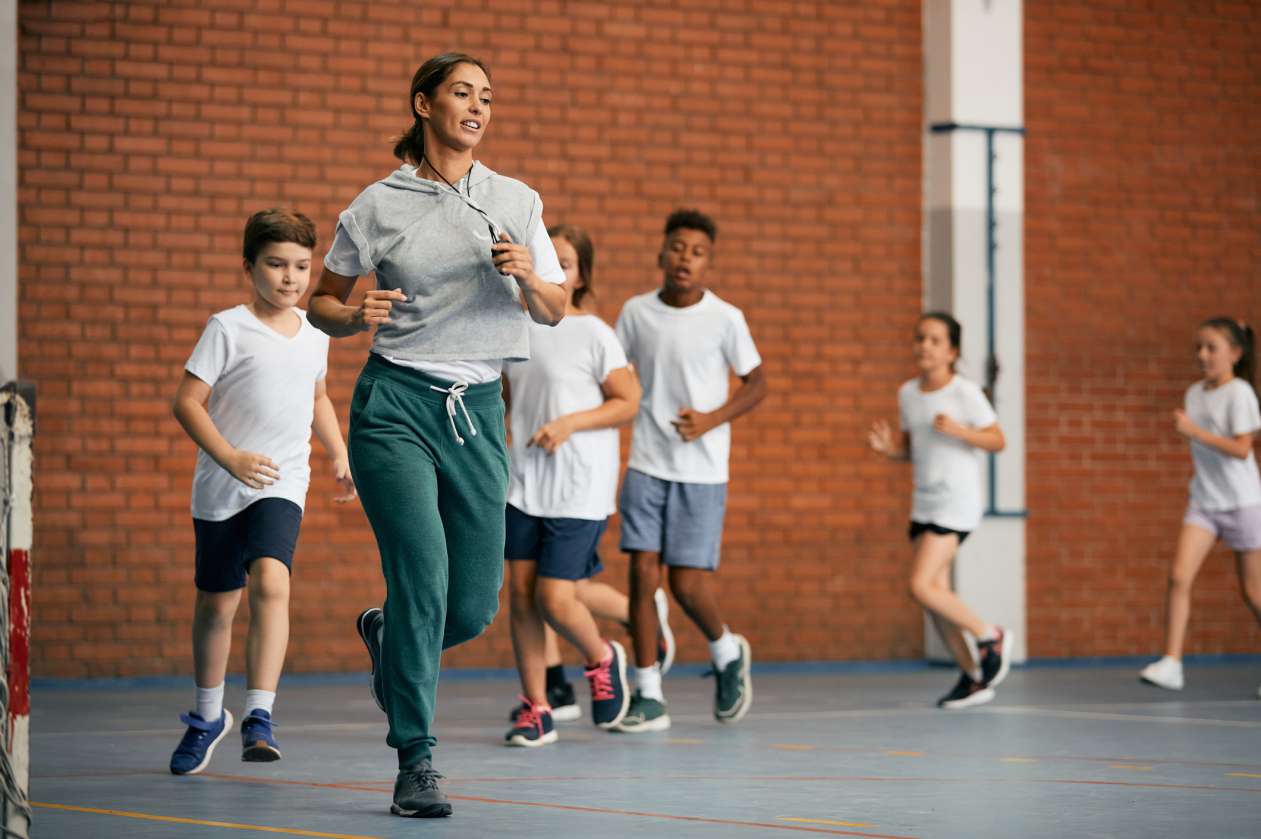
The following table highlights how modern approaches can contribute to student fitness.
| Modern approach | Main purpose | Potential benefit |
|---|---|---|
| Fitness trackers | Monitor daily movement | Better activity awareness |
| Yoga sessions | Improve flexibility and balance | Relaxation and body control |
| Outdoor sports | Encourage active participation | Teamwork and endurance |
| Fitness applications | Support exercise routines | Personal goal setting |
| Interactive activities | Make movement engaging | Increased participation |
The most effective approach combines technology with practical exercise, personal guidance, and opportunities for outdoor participation.
Challenges Faced by Physical Education Programmes
Despite its importance, many educational institutions face difficulties in providing effective fitness programmes. Limited playground space, insufficient sports equipment, large class sizes, and a shortage of trained instructors can affect the quality of student participation. Schools located in crowded urban areas may find it particularly difficult to arrange suitable outdoor facilities.
Another challenge is the difference in student interests and physical abilities. Some students enjoy competitive sports, while others may feel uncomfortable participating in activities that involve public performance. Students with disabilities or specific physical requirements may also need adapted exercises and additional support. An inclusive programme should recognize these differences and provide suitable opportunities for everyone.
Academic pressure can create another barrier. In some institutions, sports periods are reduced to provide additional time for examination preparation or other classroom activities. Although academic achievement is important, removing opportunities for exercise can create an imbalance in student development.
Addressing these issues requires thoughtful planning, adequate resources, trained teachers, and institutional support. Schools should treat physical activity as an important educational requirement rather than an optional recreational activity.
How Schools Can Improve Physical Education Facilities and Programmes
Educational institutions can strengthen their programmes by creating an environment where students feel comfortable participating in different activities. The first step is to provide regular activity periods within the school timetable. These sessions should be organized according to age, fitness levels, and learning objectives.
Schools should also invest in basic sports equipment, safe playgrounds, suitable indoor spaces, and qualified instructors. Even institutions with limited budgets can organize activities such as stretching, walking, running, simple team games, and bodyweight exercises. Effective planning is often more important than having expensive facilities.
Teachers should receive appropriate training to understand fitness principles, student safety, injury prevention, and inclusive teaching methods. They should also encourage participation rather than concentrating only on winning competitions. Recognizing individual improvement can motivate students who may not have advanced athletic abilities.
Regular assessment can help institutions understand whether their programmes are meeting student needs. Instead of evaluating only sports performance, teachers can consider participation, personal progress, understanding of health concepts, and development of basic movement skills.
The Role of Teachers and Parents in Student Fitness
Teachers are central to creating positive learning experiences through physical activities. Their responsibility includes planning appropriate exercises, demonstrating correct techniques, maintaining safety, and motivating students to participate. A supportive teacher can make activities enjoyable even for students who initially lack confidence or interest in sports.
Teachers should also understand that students develop at different rates. Comparing every student against the same performance standard may discourage those who need additional time to improve. Providing individual encouragement and realistic goals helps create a more welcoming environment.
Parents can strengthen these efforts by encouraging children to remain active at home. Simple activities such as walking, cycling, dancing, gardening, and playing outdoor games can become enjoyable family routines. Parents should also avoid presenting exercise as a punishment for unhealthy eating or a requirement only for athletic children.
When teachers and parents communicate regularly, they can identify barriers that prevent students from participating. Together, they can encourage balanced routines that support academic responsibilities, physical development, and emotional well-being.
Career Opportunities in the Field of Physical Education
The growing awareness of fitness, sports development, and preventive healthcare has created different professional opportunities in this field. Individuals interested in sports, exercise, and health-related education can explore careers that combine practical knowledge with professional training.
Career opportunities may include teaching, sports coaching, fitness instruction, sports administration, athletic training, and recreation management. Some professionals also work with sports organizations, fitness centres, schools, universities, and community programmes.
The following are some common career paths:
-
Physical education teacher: Guides students in fitness, sports, and movement-based learning.
-
Sports coach: Trains individuals or teams to improve sporting performance.
-
Fitness trainer: Develops exercise routines based on individual fitness goals.
-
Sports administrator: Helps manage sporting events, facilities, and organizations.
The qualifications required depend on the particular career, employer, and professional responsibilities. Specialized training and relevant certifications can improve employment opportunities.
Future Trends in Physical Education
The future of school fitness programmes is likely to focus increasingly on personalized learning, inclusive participation, and overall wellness. Educational institutions are gradually recognizing that students have different fitness levels, interests, and learning requirements. As a result, programmes may become more flexible and offer a wider selection of activities.
Another important development is the growing attention given to mental wellness alongside physical fitness. Schools are increasingly interested in approaches that combine movement, relaxation, stress management, and healthy lifestyle education. Yoga, mindfulness-based movement, recreational sports, and outdoor learning can contribute to this broader approach.
Technology may also support better programme planning through activity monitoring and digital learning resources. However, the quality of these programmes will continue to depend on trained instructors, appropriate facilities, student participation, and safe exercise practices.
In India, educational institutions can benefit from promoting traditional and modern activities together. Yoga, athletics, kabaddi, kho-kho, cricket, and other sports provide different ways for students to participate according to their interests and available facilities. Such diversity can make school fitness programmes more culturally relevant and engaging.
Conclusion
Physical activity is an essential part of a balanced lifestyle and plays a significant role in the overall development of young people. It supports physical fitness, emotional well-being, confidence, discipline, teamwork, and social interaction. In an increasingly digital environment, encouraging students to participate in regular movement has become more important than ever.
A well-planned physical education programme helps students understand that health is not achieved through occasional exercise but through consistent habits and informed lifestyle choices. Schools, teachers, parents, and educational authorities must work together to provide safe facilities, qualified guidance, and inclusive opportunities for participation.
Looking ahead, educational institutions should continue improving their fitness programmes by combining traditional sports, modern technology, wellness activities, and practical health education. The ultimate objective should be to prepare students not only for academic success but also for healthier, more confident, and more active lives.