


Introduction
The renewable energy industry is becoming an important part of India’s economic and industrial development. As the country continues to focus on cleaner electricity generation, wind and solar power companies are receiving increased attention from investors, businesses and policymakers. Among the companies operating in this sector, Suzlon Energy has established a recognised position through its wind turbine manufacturing, project execution and renewable energy services. Its business performance and expansion plans make it a frequently discussed name in the Indian stock market.
The suzlon share price attracts attention from investors who want to understand the opportunities and challenges associated with India’s growing wind energy market. However, following a company’s stock requires more than checking its daily trading value. Investors should also examine quarterly financial results, order book strength, manufacturing capacity, profitability, debt levels and broader industry developments. These factors help explain why a stock moves and whether its business performance supports its market valuation.
Recent developments provide several important points for understanding the company’s position. Suzlon announced its second-quarter FY27 results in October 2026, reporting higher revenue compared with the corresponding quarter of the previous year. At the same time, changes in operating margins and reported profitability highlight why investors should study financial statements carefully rather than relying on revenue growth alone.
Understanding Suzlon Energy and Its Business Operations
Suzlon Energy Limited is an Indian renewable energy company primarily associated with wind power solutions. Its operations include wind turbine generator manufacturing, project development, installation, commissioning and long-term operation and maintenance services. This integrated business structure allows the company to participate in different stages of wind energy projects instead of depending entirely on equipment sales.
The company’s business model is closely connected with the development of renewable energy infrastructure. Electricity producers, commercial organisations, industrial customers and independent power developers require equipment and technical services to establish wind power projects. Suzlon works across these requirements by providing turbines, engineering support and project-related solutions. Its ability to deliver equipment and maintain installed projects can influence customer relationships and future business opportunities.
Another important aspect of the company is its established presence in the domestic wind energy market. Manufacturing facilities, technical expertise and an existing service network can help it compete for new projects. However, the renewable energy industry is also competitive, and companies must continuously improve turbine technology, production efficiency and project execution to maintain their market positions.
Latest Suzlon Share Price Trends and Market Performance
The suzlon share price reflects a combination of company-specific developments, investor expectations and wider stock market conditions. On 3 November 2026, the available market snapshot placed the stock near ₹35.58 during the trading session. The stock had also experienced considerable movement over the preceding year, with the reported 52-week high reaching ₹61.50 and the 52-week low standing at ₹33.15.
This difference demonstrates that the stock can experience significant volatility. A share trading near its yearly low may attract investors looking for a possible recovery, but a lower price does not automatically indicate that a company is undervalued. Investors must examine earnings, business quality, financial stability and future growth expectations before drawing conclusions.
Daily movements can also be influenced by trading volume and market sentiment. For example, positive quarterly results may encourage buying interest, while concerns about margins or execution costs can create selling pressure. Broader movements in renewable energy stocks, interest rates and institutional investment activity may also affect the stock’s performance.
It is therefore useful to examine several time periods instead of concentrating only on the latest trading session. Short-term movements can provide information about market sentiment, whereas longer-term performance offers a wider perspective on business expectations and investor confidence.
Suzlon Q2 FY27 Results: Important Financial Developments
The company’s second-quarter FY27 results, announced on 29 October 2026, provide valuable information about its operating performance. According to the company’s reported consolidated figures, revenue from operations increased to approximately ₹4,869 crore in Q2 FY27 from ₹3,866 crore in Q2 FY26. This represented year-on-year growth of approximately 26%.
The company also reported consolidated EBITDA of ₹720 crore for the quarter, compared with ₹721 crore in the corresponding period of the previous financial year. Its EBITDA margin stood at 14.8%, compared with 18.6% a year earlier. These figures indicate that higher revenue did not translate into equivalent EBITDA growth during the period.
Reported profit after tax was approximately ₹394 crore, compared with ₹1,279 crore in Q2 FY26. However, the previous year’s comparable quarter included a deferred tax asset creation of approximately ₹891 crore. After adjusting for this exceptional comparison factor, the company stated that its underlying profit after tax had improved by approximately 1.3% year on year.
This distinction is important because reported financial figures can sometimes be influenced by exceptional or non-recurring accounting items. Investors should compare operating performance, margins and adjusted figures wherever appropriate to understand the company’s actual business progress.
Key Financial Figures for Q2 FY27
| Financial Indicator | Q2 FY27 | Q2 FY26 |
|---|---|---|
| Revenue from operations | ₹4,869 crore | ₹3,866 crore |
| EBITDA | ₹720 crore | ₹721 crore |
| EBITDA margin | 14.8% | 18.6% |
| Profit after tax | ₹394 crore | ₹1,279 crore |
| Wind turbine deliveries | 710 MW | 565 MW |
The figures show that revenue and turbine deliveries increased, while reported EBITDA remained broadly stable. The margin difference deserves attention because manufacturing costs, project execution expenses, product mix and commodity prices can influence operating profitability.
Order Book Strength and Future Business Opportunities
An important factor supporting Suzlon’s business outlook is its order book. The company reported an order book exceeding 6 GW in its Q2 FY27 announcement. A substantial order pipeline can provide better visibility into future deliveries and help management plan manufacturing, procurement and project execution activities.
The company also reported more than 1.5 GW of order intake during the first half of FY27. Its DevCo-led orders accounted for more than 1.1 GW of this intake. These developments suggest that Suzlon is expanding its involvement in project development and execution rather than limiting its role to turbine manufacturing.
However, an order book should not be confused with guaranteed revenue or profit. Orders must be converted into actual deliveries, installations and customer payments. Delays in land availability, transmission infrastructure, regulatory approvals or equipment supply can affect project schedules. Investors should therefore monitor the pace at which the company converts its announced orders into completed projects.
A healthy order pipeline becomes more valuable when it is supported by efficient execution, sustainable margins and timely collections. This makes order conversion an important indicator to follow in upcoming quarterly reports.
Major Factors Influencing Suzlon’s Stock Performance
The suzlon share price can respond to several business and economic developments. Understanding these factors can help investors interpret market movements more effectively.
1. Growth in Renewable Energy Demand
India’s renewable energy ambitions create opportunities for companies involved in wind power generation. Increasing electricity requirements, industrial expansion and the need to diversify energy sources can support demand for renewable infrastructure. Wind power can also complement solar generation because the two sources may produce electricity at different times and under different weather conditions.
However, actual project demand depends on investment decisions, electricity purchasing arrangements, government policies and the availability of transmission facilities. Industry growth does not automatically guarantee that every renewable energy company will benefit equally.
2. Manufacturing Capacity and Project Execution
Manufacturing capacity plays an important role in meeting customer demand. Suzlon has reported domestic wind turbine manufacturing capacity of approximately 4,500 MW across specialised facilities. Effective utilisation of this capacity can help the company improve production efficiency and manage larger project requirements.
Execution quality is equally important. Delays, equipment shortages, higher transportation expenses and installation challenges can affect project costs. Investors should examine whether increasing deliveries are accompanied by stable operating margins.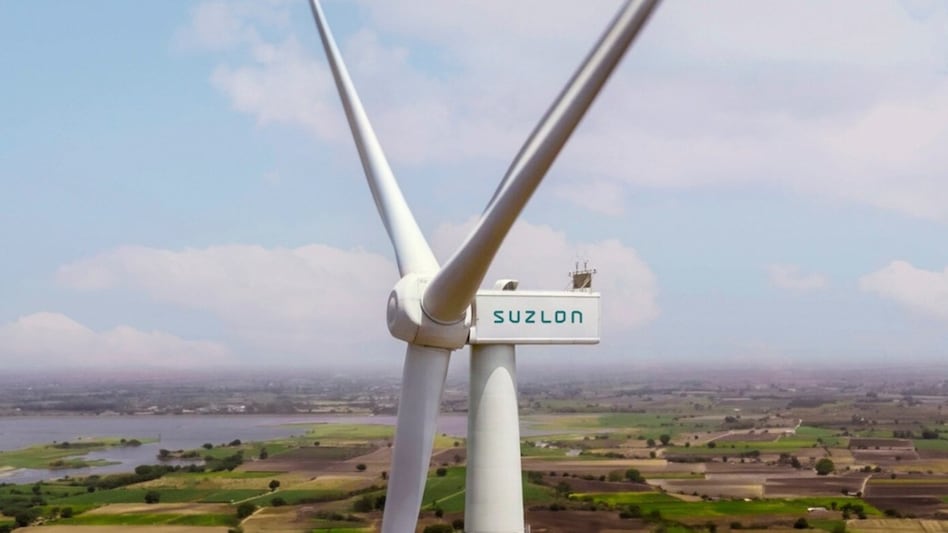
3. Government Policies and Industry Regulations
Government policies can influence investment in wind energy through renewable purchase obligations, infrastructure development, manufacturing requirements and project allocation mechanisms. Regulatory clarity can encourage companies to invest in new facilities and technology.
At the same time, changes in policy implementation, approval timelines or electricity procurement arrangements can affect project economics. Investors should consider the regulatory environment when evaluating long-term business opportunities.
4. Financial Performance and Investor Confidence
Revenue growth, operating margins, profitability and cash flow are important indicators of business quality. Investors generally prefer companies that can convert higher sales into sustainable earnings while maintaining financial discipline.
The latest quarterly results show that Suzlon has achieved revenue growth, but its EBITDA margin requires attention. This is one reason why financial performance should be evaluated across multiple quarters instead of relying on a single positive announcement.
Business Expansion, Technology and Renewable Energy Strategy
Suzlon’s future development is connected with its ability to improve turbine technology, expand manufacturing operations and participate in larger renewable energy projects. Modern wind turbines are designed to improve energy generation efficiency and respond to different wind conditions. Technological improvements can help customers achieve better project economics while creating opportunities for manufacturers.
The company’s Suzlon 2.0 strategy focuses on developing a broader renewable energy solutions business. Its increasing involvement in engineering, procurement and construction activities is part of this direction. In Q2 FY27, the company reported that EPC accounted for approximately 38% of its order book, with a stated ambition to increase this share to 50% by FY28.
A larger EPC contribution may allow the company to participate in more stages of project development. However, EPC activities can involve additional execution responsibilities, working capital requirements and project-related risks. The long-term benefit will depend on whether the company can expand these operations without putting excessive pressure on margins or cash flow.
The company also reported that its installed wind capacity globally had crossed 22 GW. An established installed base can support long-term service opportunities because wind turbines require regular maintenance, monitoring and technical support throughout their operating lives.
Important Risks Investors Should Understand
Although renewable energy offers growth opportunities, investing in an individual wind energy company involves several uncertainties. Stock market performance can differ significantly from the growth rate of the underlying industry.
One major risk is valuation. A company may have strong long-term opportunities, but its stock price can already reflect optimistic expectations. Investors who purchase shares without examining earnings and valuation may face losses if business performance does not meet market expectations.
Another concern is profitability. Higher revenue does not always produce higher earnings, particularly when material costs, project expenses and currency fluctuations increase. Suzlon’s latest EBITDA margin figures demonstrate why operating efficiency deserves regular attention.
Other important considerations include project execution delays, competition, interest rate changes, regulatory developments and working capital management. Renewable energy projects may require substantial investment, and delays in payments can affect cash flow even when the order pipeline remains strong.
Investors should pay particular attention to the following areas:
- Quarterly revenue, EBITDA and profit growth.
- Order book conversion and project delivery performance.
- Operating margins and cash flow generation.
- Debt levels, valuation and industry competition.
These indicators provide a more balanced understanding of the company’s financial and operational position.
How to Analyse Suzlon Before Making an Investment Decision
Investors interested in the suzlon share price should develop a research process instead of making decisions based on social media discussions or short-term market excitement. The first step is to understand the company’s financial statements. Revenue growth should be compared with operating expenses, EBITDA, net profit and cash flow to determine whether business expansion is producing sustainable financial benefits.
The second step is to examine valuation. Common indicators such as the price-to-earnings ratio, price-to-book ratio and enterprise value relative to EBITDA can help investors compare a company with relevant competitors. However, these ratios should be interpreted in the context of growth, profitability, capital requirements and industry conditions. No single valuation measure can establish whether a stock is suitable for investment.
The third step is to monitor company announcements and quarterly updates. Order intake, manufacturing utilisation, turbine deliveries, project commissioning and changes in management guidance can provide useful information about business progress. Investors should also distinguish between confirmed financial disclosures and market speculation.
Finally, risk management is essential. A diversified portfolio, suitable investment horizon and realistic expectations can help reduce the impact of volatility. Investors should avoid committing money solely because a stock has fallen from its previous high or because renewable energy is considered a promising sector.
Future Outlook for Suzlon Energy
The long-term outlook for Suzlon is closely connected with India’s renewable energy development and the company’s ability to execute its expansion strategy. Growing electricity demand, industrial decarbonisation and investments in clean power infrastructure may create opportunities for established wind energy manufacturers.
The company’s order book, manufacturing facilities and service capabilities provide a foundation for pursuing future business opportunities. Its increasing participation in EPC activities may also create opportunities to offer more comprehensive solutions to customers. However, these advantages need to translate into timely project completion, healthy margins and consistent cash generation.
The future direction of the suzlon share price will depend on several variables, including quarterly earnings, order conversion, business expansion, investor sentiment and broader market conditions. A strong renewable energy sector alone cannot ensure continuous stock appreciation. Financial discipline and execution will remain equally important.
Rather than expecting a fixed price target, investors should monitor upcoming results and evaluate whether the company’s performance is improving consistently. Changes in operating margins, profitability and cash flow may provide useful signals about the sustainability of its growth.
Conclusion
Suzlon Energy remains an important company to follow in India’s renewable energy industry because of its wind turbine manufacturing operations, project execution capabilities and established market presence. Its Q2 FY27 results showed encouraging revenue growth and higher turbine deliveries, while the decline in EBITDA margin highlighted the importance of monitoring operating efficiency.
The suzlon share price should therefore be evaluated through a combination of market performance, financial results, order book developments, valuation and industry conditions. Investors should not depend entirely on daily price movements or optimistic expectations about renewable energy demand.
The company’s long-term opportunities will depend on its ability to convert orders into completed projects, maintain healthy profitability and generate sustainable cash flow. A careful understanding of both growth opportunities and potential risks can help investors make more informed decisions. Ultimately, consistent business performance rather than short-term market excitement will be an important factor in determining the company’s long-term investment appeal.