

Introduction
A lot of people are nervous about the indications, symptoms, and healing process that come after having their wisdom teeth taken out, even though it is a typical dental treatment. Knowing what happens following an extraction might help ease your mind and make sure you heal properly. The wellhealthorganic indication of removal wisdom teeth concept is all about figuring out what natural body signals mean that the healing process is going as planned or that you need to see a doctor. Some of these signs are changes in pain levels, edema, bleeding patterns, jaw stiffness, and general oral health. If you notice these signs early, you can avoid problems and get better faster.
People normally get their wisdom teeth, or third molars, in their late teens or early twenties. Dentists often advocate getting rid of them because they can cause pain, overcrowding, infections, or gum disease. Your body starts to mend right away after the extraction. This includes swelling, clotting, repairing tissue, and growing new bone. Patients can tell the difference between typical post-surgery symptoms and warning signals that need professional care by knowing the wellhealthorganic indicator of removal wisdom teeth.
Why you often need to have your wisdom teeth taken out
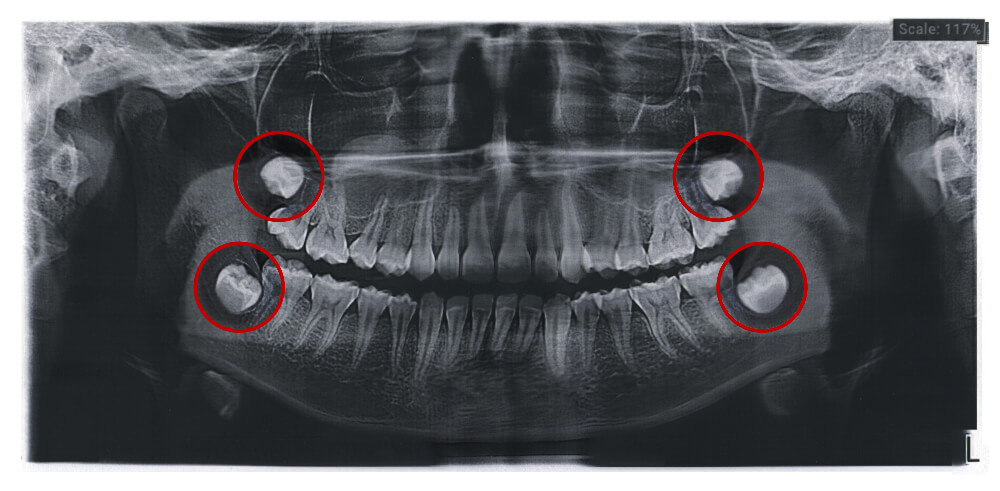
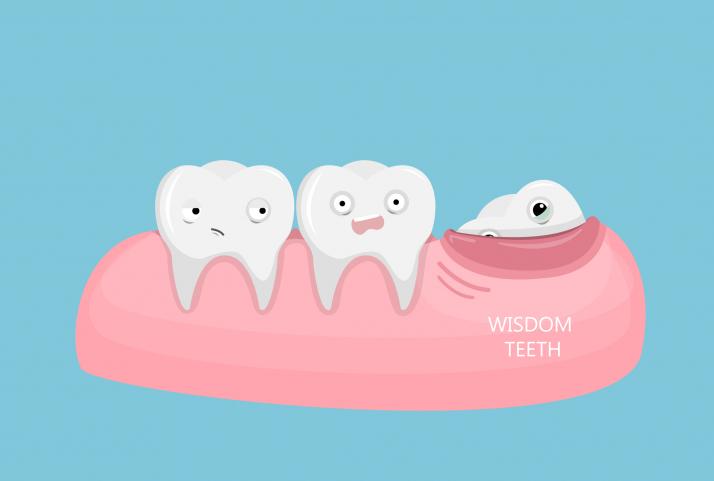
Wisdom teeth often grow at strange angles or don’t have enough room to come out correctly. When this happens, they get stuck, partially erupted, or trapped under the gums. This can lead to discomfort, swelling, stiffness in the jaw, headaches, foul breath, and infections that don’t go away. Impacted wisdom teeth can hurt neighboring teeth, weaken the jawbone, and cause cysts to grow over time.
Even before severe symptoms show up, dentists often prescribe extraction as a way to stop them from getting worse. After removal, the body goes through changes that are easy to see and show that it is healing. Seeing the wellhealthorganic indicator of removal wisdom teeth makes sure that patients can handle their pain well and not stress during their recuperation.
Signs Right After Wisdom Teeth Removal
The first 24 to 72 hours after surgery are very important. During this time, your body reacts to trauma by making inflammation and blood clots. You should expect some pain, which normally gets worse in the first two days. It’s also typical for the cheekbones and jawline to swell up and feel stiff to the touch. These early signs are part of the wellhealthorganic indicator of removal wisdom teeth and show that your immune system is working to keep the surgery area safe.
Another usual indication just after extraction is bleeding. As long as it slowly gets better, light oozing for a few hours is okay. For healing to happen, a stable blood clot must develop in the socket. This clot covers the nerves and bone that are exposed, which starts the healing process. However, excessive bleeding that doesn’t stop is not normal and needs to be looked at right away.
Patterns of Pain and What They Mean
After getting their wisdom teeth out, some people feel more pain than others. This is because the extraction was more complicated and they have a higher pain tolerance. For a few days, you may have dull, aching, or throbbing pain. Pain medicine that you can buy over the counter or get from your doctor usually works well. This kind of pain is a good sign that your wisdom teeth are recovering naturally.
A condition called dry socket may be present if the pain is greater and sharper after three to five days. When the protecting blood clot comes loose or breaks down too soon, you get dry socket. This exposes the bones and nerves underneath, which causes a lot of pain that can spread to the ear or temple. Keeping an eye on how pain changes over time might help you figure out if recovery is going well or if something needs to be done.
Swelling and inflammation while healing
Swelling is one of the most obvious things that happens after getting your wisdom teeth taken out. It usually gets worse in the first two days and then slowly gets better during the next week. It’s normal for your face to swell, your jaw to feel tight, and you to have a few bruises. These are important parts of the wellhealthorganic symptom of removal wisdom teeth, which show how the body reacts to surgery by becoming inflamed.
Using cold compresses during the first 24 hours will assist reduce edema, while using warm compresses after that can help blood flow. If the swelling keeps getting worse after four days or if you get a fever and significant pain along with it, it could be an infection and you should see a dentist.
Jaw stiffness and trouble opening your mouth
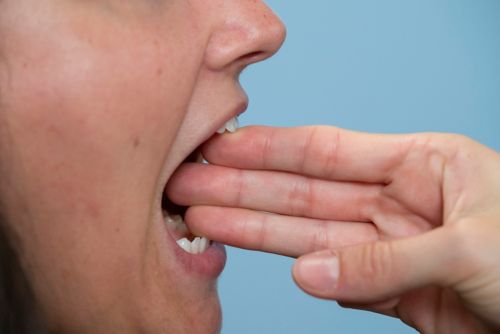
Trismus, or trouble fully expanding the mouth, is another common indication after wisdom teeth removal. This stiffness is caused by inflammation of the muscles and small injuries that happened during surgery. It usually gets better slowly over the course of a week. Gentle jaw exercises and warm compresses can help get everything moving normally again.
Jaw stiffness is a normal sign of good health after having wisdom teeth removed, especially if the teeth were difficult to remove or were impacted. But if the stiffness lasts more than two weeks, you may need to see a doctor.
Regeneration of tissue and healing of gums
Healing the gums is one of the most critical parts of getting better. At first, the place where the tooth was pulled out looks red and swollen. Over time, new tissue grows and slowly covers the socket. As tissue heals, a healthy healing spot may seem a little white or pink. This is a good indicator that your gums are healing after having your wisdom teeth taken out.
During the healing process, you can feel some mild itching or tightness around the gums. This feeling is natural and usually means that new tissue is growing. Don’t touch the area with your tongue or fingers, since this can slow down healing and let bacteria in.
Changes to your diet and how your stomach feels
After getting your wisdom teeth out, your eating habits vary a lot. For the first several days, it’s best to eat soft meals to avoid inflammation. Common early indicators include trouble eating, a loss of appetite, and mild nausea from drugs. As comfort improves, gradually going back to a normal diet is a good sign that the wisdom teeth have been removed. This means that the inflammation is going down and the jaw is moving better.
During healing, it’s important to stay hydrated. Drinking adequate water helps tissues repair and keeps your mouth from getting dry, which can make infections more likely. Don’t use straws because the suction can break up the blood clot and make it take longer to heal.
Oral Hygiene and How It Helps You Get Better
After having your wisdom teeth taken out, it’s very important to keep your mouth clean. Rinsing with saltwater gently after the first 24 hours helps get rid of bacteria and calm your gums. You should keep brushing, but you should stay away from the area where the tooth was pulled at first. You can gently clean the area around the wound while it heals.
A significant clue that your wisdom teeth have been removed is that you are clean without too much trouble. This keeps the healing process going without any problems. You might have bad breath or a bad taste in your mouth for a short time, but it should get better as your mouth recovers. If you have a bad smell or pus that doesn’t go away, it could be an infection and you need to see a doctor.
Things to Look Out For That Could Mean an Infection
Most of the time, wisdom teeth extractions recover without any problems, however sometimes infections might happen. Signs that anything is wrong are pain that becomes worse after a few days, swelling that doesn’t go down, a fever, trouble swallowing, and drainage from the extraction site. These signs are not usual for a healthy person and should not be ignored.
Finding and treating an infection early can stop significant problems from happening. If an infection happens, you may need antibiotics and professional cleaning. Paying close attention to what your body is telling you makes sure that you get help when you need it.
Emotional and physical tiredness after surgery
After having their wisdom teeth taken out, many people feel tired and their mood changes. Anesthesia, sleep problems, adverse effects of medications, and the body’s attempts to heal can all cause this. It’s normal to feel fatigued for a few days after getting your wisdom teeth out. This is because your body is using its energy to mend.
You need to get some rest right now. Getting enough sleep, eating healthily, and drinking enough water all help you heal faster and feel better overall.
Long-Term Healing and Recovery of Bones
It can take several months for the bone in the extraction site to fully heal, although the gums will heal in a few weeks. During this time, the jawbone slowly fills in the space where the tooth used to be. Most people don’t notice or feel discomfort throughout this process, yet it is an important aspect of long-term oral health.
The most encouraging evidence that wisdom teeth have been removed is that there is no chronic pain, swelling, or sensitivity over time. This means that healing has gone smoothly and there have been no problems.
When to Get Back to Normal Life
Most people can go back to their routine activities three to five days after having their wisdom teeth taken out. You should stay away from hard exercise for at least a week because it can raise your blood pressure and make you bleed. If you can slowly start doing your everyday tasks again without any pain, it means that you are recovering well.
Understanding the wellhealthorganic symptom of removing wisdom teeth is paying attention to your body and knowing when to stop. Pushing yourself too soon can make your recuperation take longer and hurt more.
Conclusion on Recovery After Wisdom Teeth Removal
It is normal to have your wisdom teeth taken out, but for a smooth recovery, you need to take care of yourself properly and know what to look for as you heal. The wellhealthorganic indicator of removal wisdom teeth gives a complete picture of the physical changes that happen after the teeth are taken out, which helps patients stay informed and confident during the recovery process.
You can help your recovery stay on track by knowing what normal signs are, like pain that is under control, swelling that is going down, gums that are healing properly, and jaw movement that is becoming better. Knowing the warning signs also gives you the power to get help when you need it. After getting their wisdom teeth out, most people fully recover and have better oral health with time, rest, and good oral hygiene.
Read More:- WellHealthOrganic: A Complete Guide to Natural Living and Holistic Wellness