
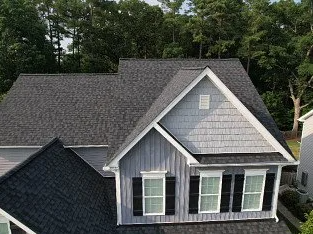

In St. George, a roof does more than keep rain out. It absorbs intense summer heat, endures ultraviolet exposure, and must handle sudden wind and monsoon-driven downpours. For homeowners, landlords, and small-business property owners, choosing the right roofing materials and maintenance plan can reduce emergency repairs, protect interiors, and control long-term operating costs.
A roof that looks acceptable from the ground may still have brittle sealants, weakened flashing, or hidden moisture damage. Addressing those issues before the region’s hottest months or storm season can be far less expensive than replacing damaged decking, insulation, drywall, or personal property.
Desert Conditions Create Specific Roofing Risks
Heat and UV exposure
Repeated exposure to high temperatures can cause roofing materials to expand and contract throughout the day. Over time, this movement may loosen fasteners, split surface coatings, and shorten the life of shingles or membrane systems. Ultraviolet rays can also dry out exposed components, especially pipe boots, flashing sealants, and other areas that rely on flexibility.
A roofing system designed for hot, sunny conditions should be evaluated as a complete assembly. Reflective surfaces, suitable underlayment, properly installed ventilation, and durable flashing can work together to limit heat-related deterioration.
Sudden storms and drainage problems
Southern Utah’s dry climate does not eliminate water damage. Heavy rain can arrive quickly, placing pressure on roof slopes, valleys, gutters, and downspouts. If leaves, sediment, or desert debris block drainage paths, water may collect near vulnerable seams or flow behind fascia.
Property owners should inspect gutters and downspouts before monsoon season, confirm that water is directed away from foundations, and look for staining in attics or ceilings after major storms. Small signs of moisture deserve attention because leaks often travel along framing before becoming visible indoors.
Roofing Choices That Support Long-Term Savings
The lowest initial bid is not always the lowest-cost option. A more durable system may have a higher installation price but require fewer repairs and provide better protection for the structure beneath it.
When comparing estimates, ask what materials are being proposed for the roof’s climate, how flashing and penetrations will be handled, and whether ventilation is included. It is also useful to request a clear breakdown of labor, disposal, permits, warranties, and any decking replacement that may be needed once the existing roof is opened.
Working with experienced roofers St George homeowners can help evaluate whether a roof needs maintenance, localized repair, or full replacement. The goal is not simply to install new material; it is to identify the failure points most likely to create future expenses.
Repair or replacement?
A repair may make financial sense when damage is limited to a small area and the existing roofing system still has useful service life. Replacement becomes more practical when problems are widespread, materials are nearing the end of their expected lifespan, or repeated repairs are addressing the same underlying weakness.
Look beyond visible damage. Soft decking, recurring leaks, widespread granule loss, deteriorated flashing, and poor attic ventilation can indicate that patching one section will only delay a larger expense. A professional inspection can help establish priorities before a property owner commits to a major project.
A Seasonal Maintenance Routine Protects the Investment
Roof care should be scheduled rather than reserved for emergencies. Before summer, inspect exposed sealants, vents, flashing, and attic ventilation. Before storm season, clear drainage paths and check for loose or damaged materials. After a significant wind or rain event, inspect the roofline and interior ceilings for new signs of trouble.
For rental properties and commercial buildings, keeping dated inspection records can also help with budgeting and maintenance planning. Documented observations make it easier to track recurring issues, schedule work during favorable weather, and avoid disrupting tenants or customers.
In a desert community, a roofing decision is ultimately a property-protection decision. Materials suited to heat, careful drainage management, and timely repairs can extend roof life while reducing the risk of expensive structural and interior damage.